Time had scattered them, and the archive had quietly absorbed that loss.
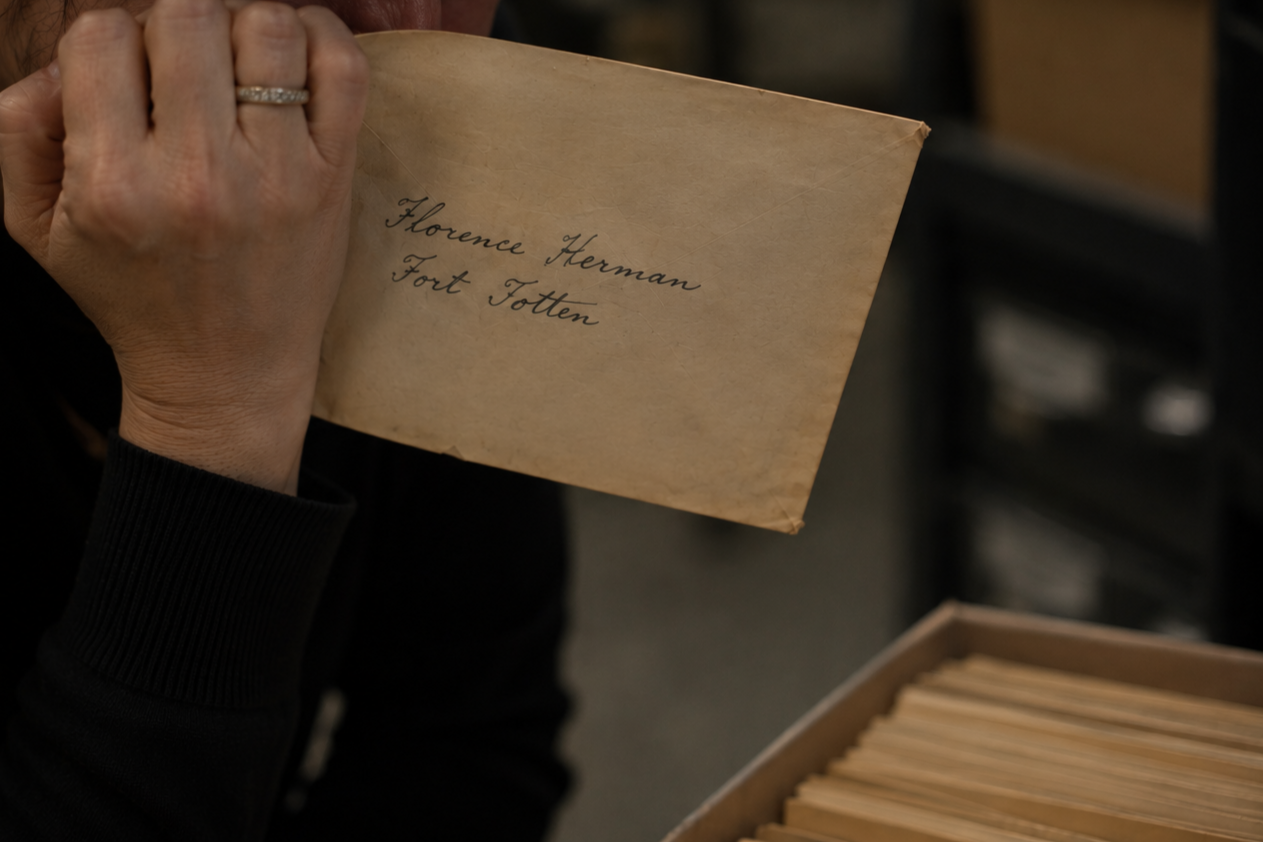
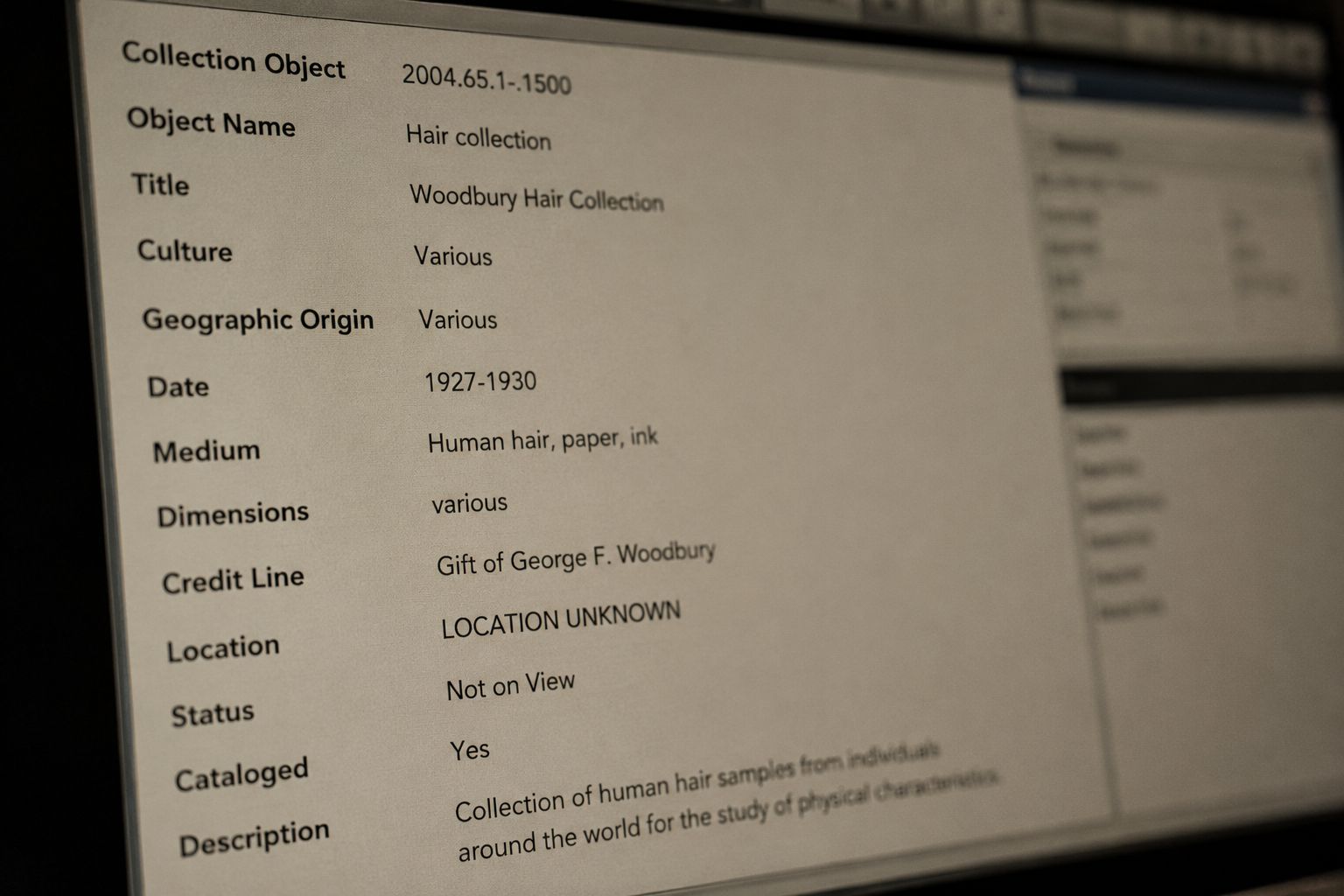
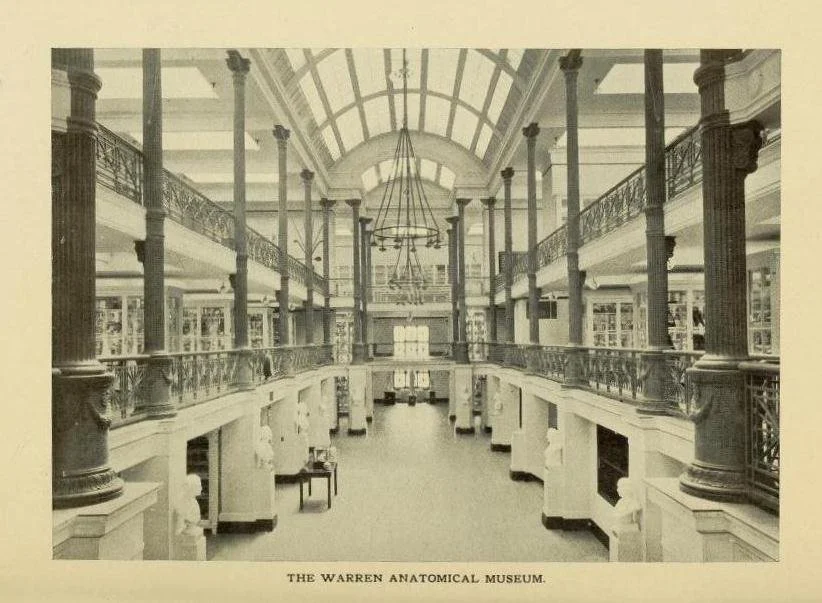
“But then it turned out that these envelopes were at the medical museum across campus, and they had found them and said, hey, we think these are yours. Now, I had asked about this collection a long time ago. So when they were rediscovered, the collections manager said, hey, I know you’re interested in this. Would you like to be the one to organize them, properly catalog them for the database, and then help us with the repatriation? And I said, yeah, this sounds great. I’d love to do it.”
“A few months before I found my actual family’s envelope, we had found the envelopes, because all of these envelopes were someplace, but we didn’t know where. So it was location unknown. And when I read that years ago, that could mean that it went back to Denver, Colorado, where they were originally assembled. It could have meant they were destroyed or lost, or it could mean so many things when a collection’s nearly 100 years old. So I never thought we’d find it again, to be honest.”
It began as routine work that moved ever so methodically.
“So I was in the process of organizing all the envelopes, because they were really scattered. They were out of order. There were multiple components. So I was just doing big organization. And then I started going through from the beginning, from the first number, taking a handful, and making sure that everything got into the database. It was just a slow cataloging I was doing.”
Number by number. Name by name.