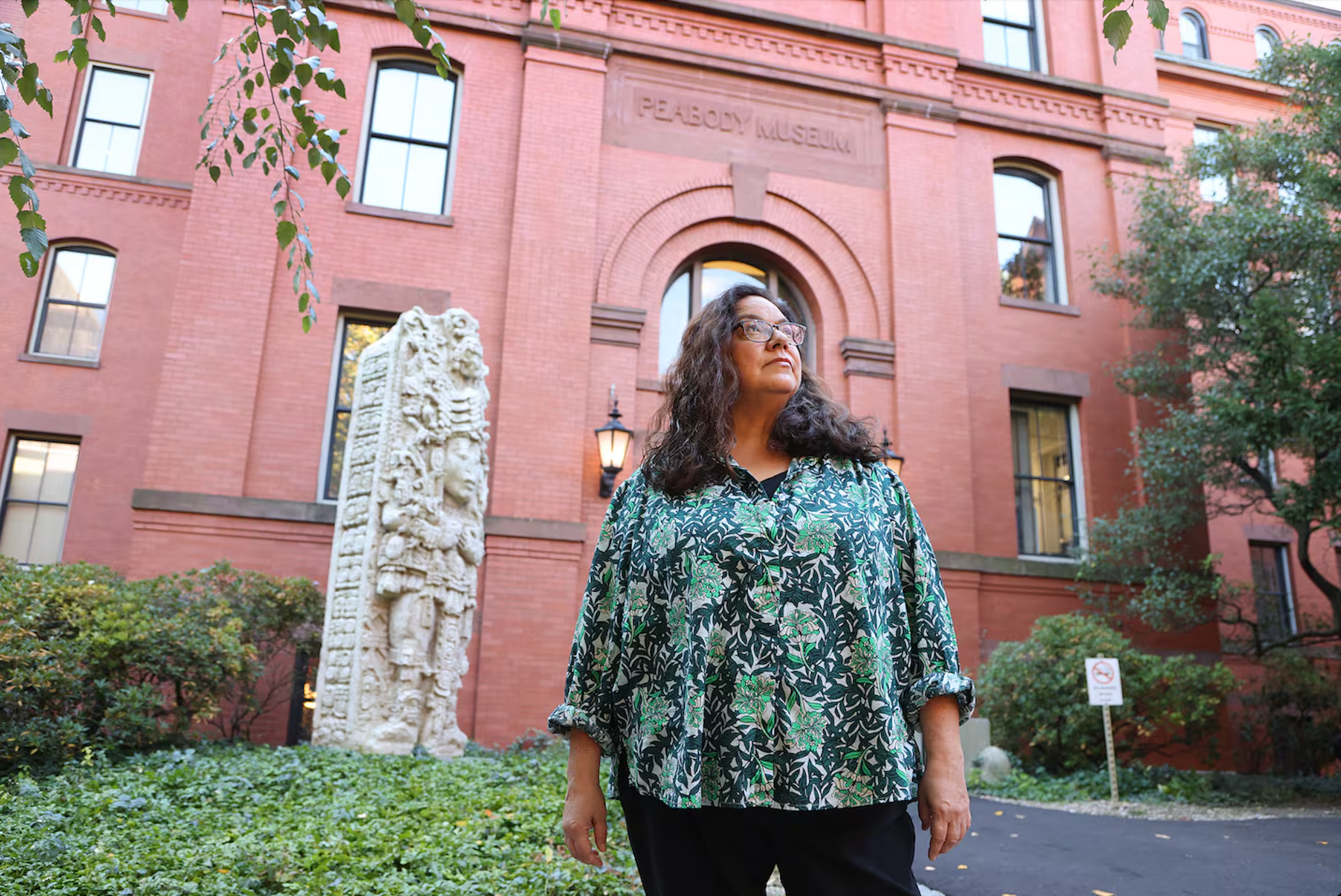
“You know, I haven’t done other interviews. I didn’t want to. I felt uncomfortable making it about me, and being the main character in all this,” disclaimed Meredith Vasta, the 53-year old Collections Steward at the Peabody Museum of Archaeology and Ethnology at Harvard University. Here she is anyway, for the first and last time, to tell her tragedy.
Not quite Antigone, not quite rebellious heroine, but something closer to a steward who became implicated in the curation of justice.
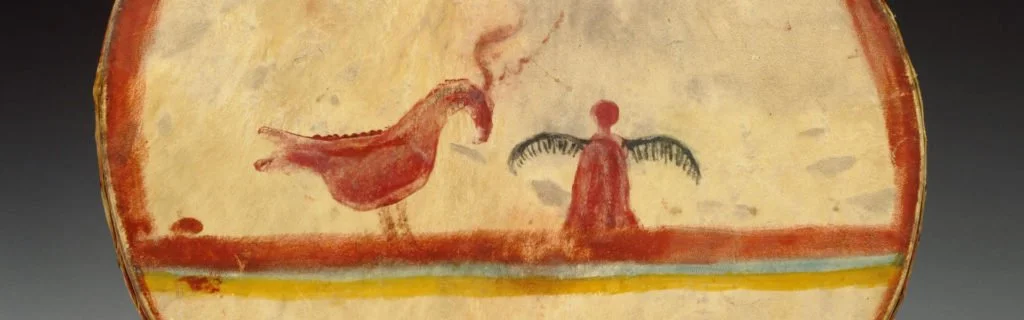
Long before Harvard, before archives and accession numbers, there was lineage.
“I always knew that I was Turtle Mountain Chippewa. I knew who my family was, some of our history, important spiritual and worldview elements [my mother] always shared with me and made sure I understood. There were lots of things that she really impressed upon me, certain values, but really knowing where I was from, where she was from, where she grew up, where my ancestry is, who my relatives are is a really important component of that, who I’m related to.”
“My mom was a little more politically active, as it was the 70s. So my early memories are going to meetings and being a kid and either just coloring under the table and listening to them talk about what’s going on or hoping there’s donuts there. I remember her attending those things.”
“And then she passed when I was nine.”
The meetings stopped, but the questions didn’t. Without her mother, she turned toward museums to pacify her curiosity and consume the time she once spent under the council’s table, begging for donuts or a foreword with the adults.
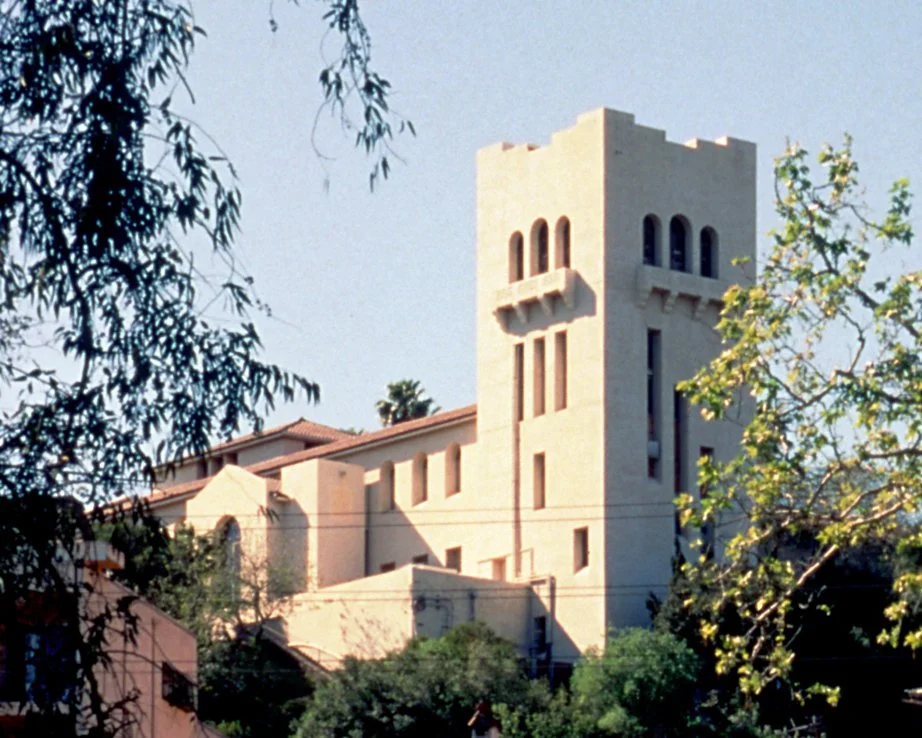
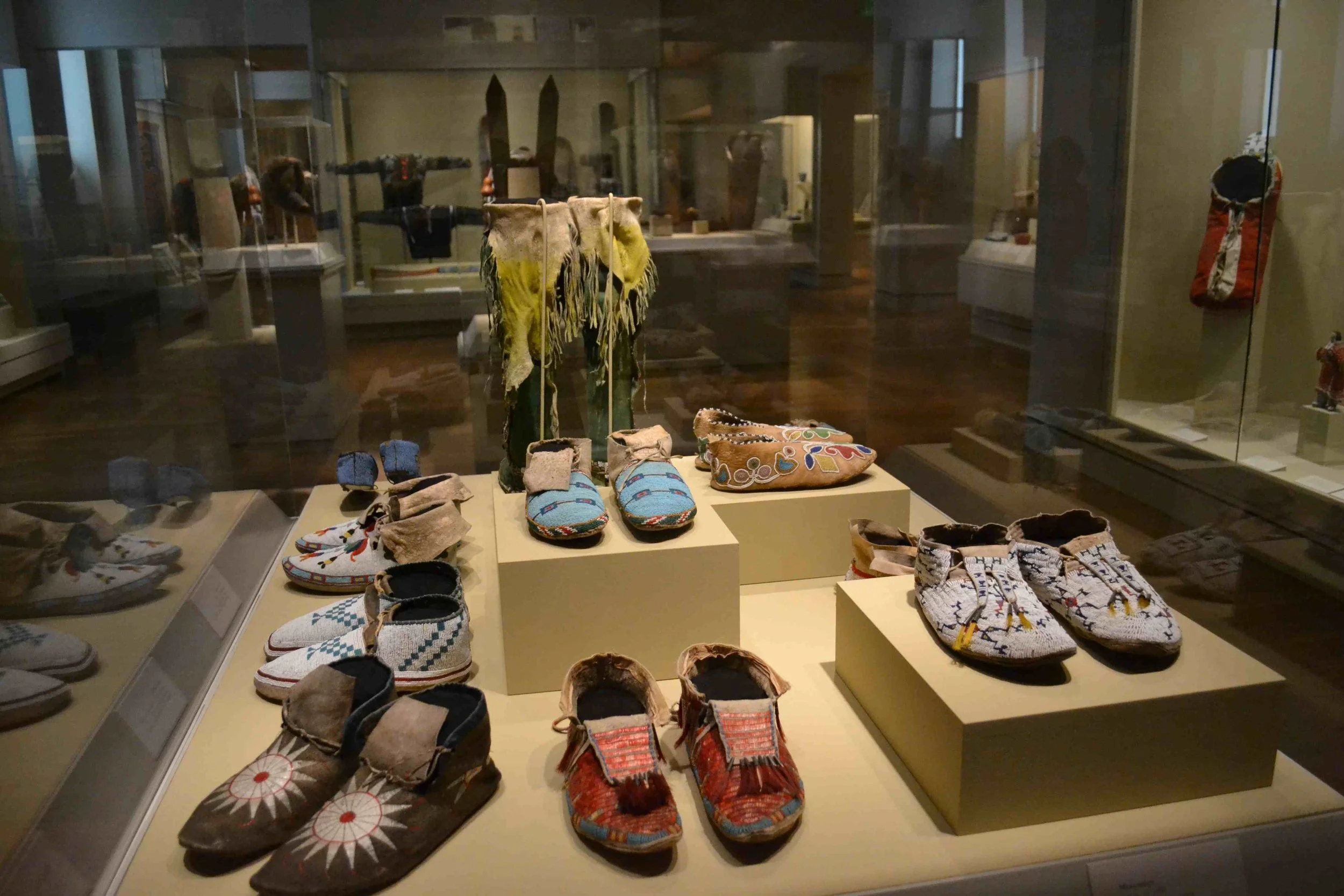
“It was actually my dad, whose ancestry is Sicilian and German, who would take me to museums a lot. I remember going to a lot of the big LA museums. There’s lots of pictures of me at museums. I remember that being an important part of my childhood.” “There was also a program when I was in high school where Native American kids got a release period. You got to hang out with this lady who was Blackfoot and Apache. She would say, you want to make some fry bread today? You want to do some beadwork? So I remember we made moccasins. And they put them on exhibit at what was then called the Southwest Museum. And we went to the museum to see my little moccasins on display. So those were always part of my world.”
They say to do what you love and you’ll love what you do. Meredith pursued that path, at least at first.
“I worked for about 15 years at the Mashantucket Pequot Museum, which was a tribally owned and operated museum. It was such a great experience working for a tribe, and being able to do museum work from that perspective.”
There, the work aligned—culture and curation moving in the same direction.“But you know how life is. You think you are making grand plans, and that you’re in control of things, but you realize I am actually not in control of very much…As it turned out, I got married, and my husband ended up getting a job in Boston. He had been commuting from Connecticut so I could keep my job. He was driving like four to five hours a day, round trip. He’d been doing it for five years.”
“I remember one weekend he came home, and I said, hey, let’s drive somewhere. And the look on his face was like, please don’t make me get in the car. And I realized we’ve got to change this. I just happened to see an advertisement for this job, and it just really seemed to fit me really well.”

HELP WANTED
HELP WANTED
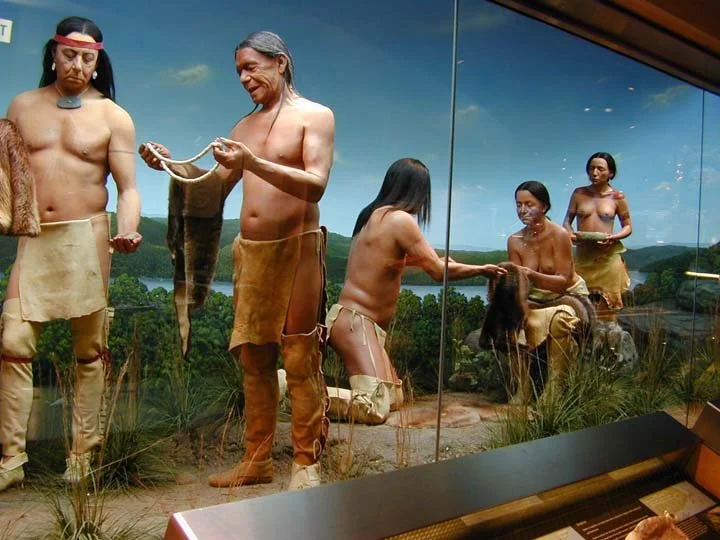
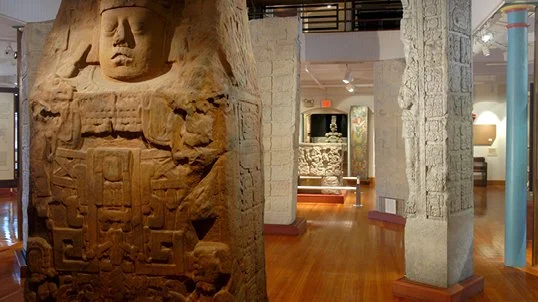
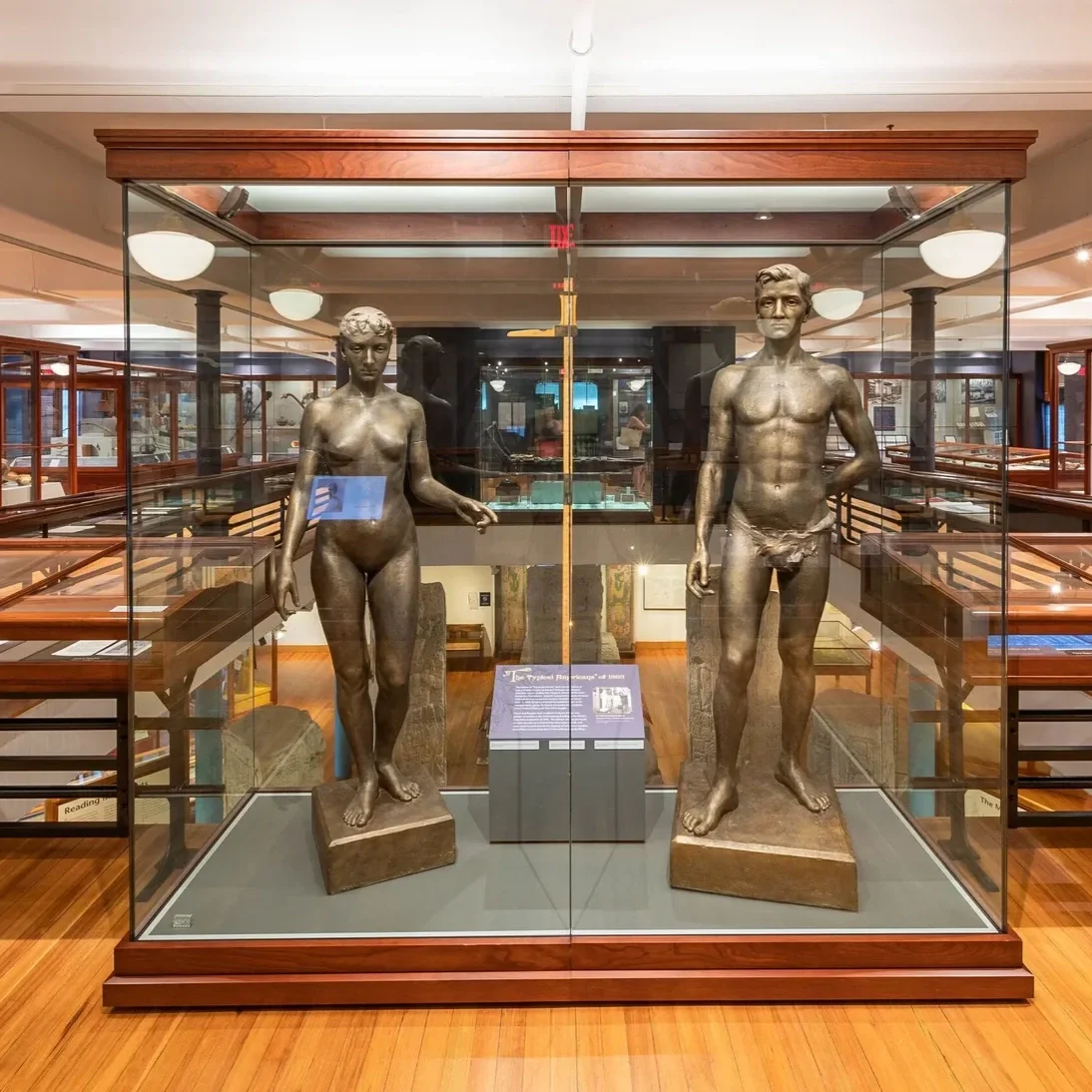
“I was concerned about the Peabody’s reputation. I know there were a lot of tribes that were very upset with them. They were known to be difficult to work with and be really retentive. But I actually asked one of the elders in the Mashpee community, what do you think? Should I apply for this job? And she encouraged me to do it.”
“So I applied for it and got it.”