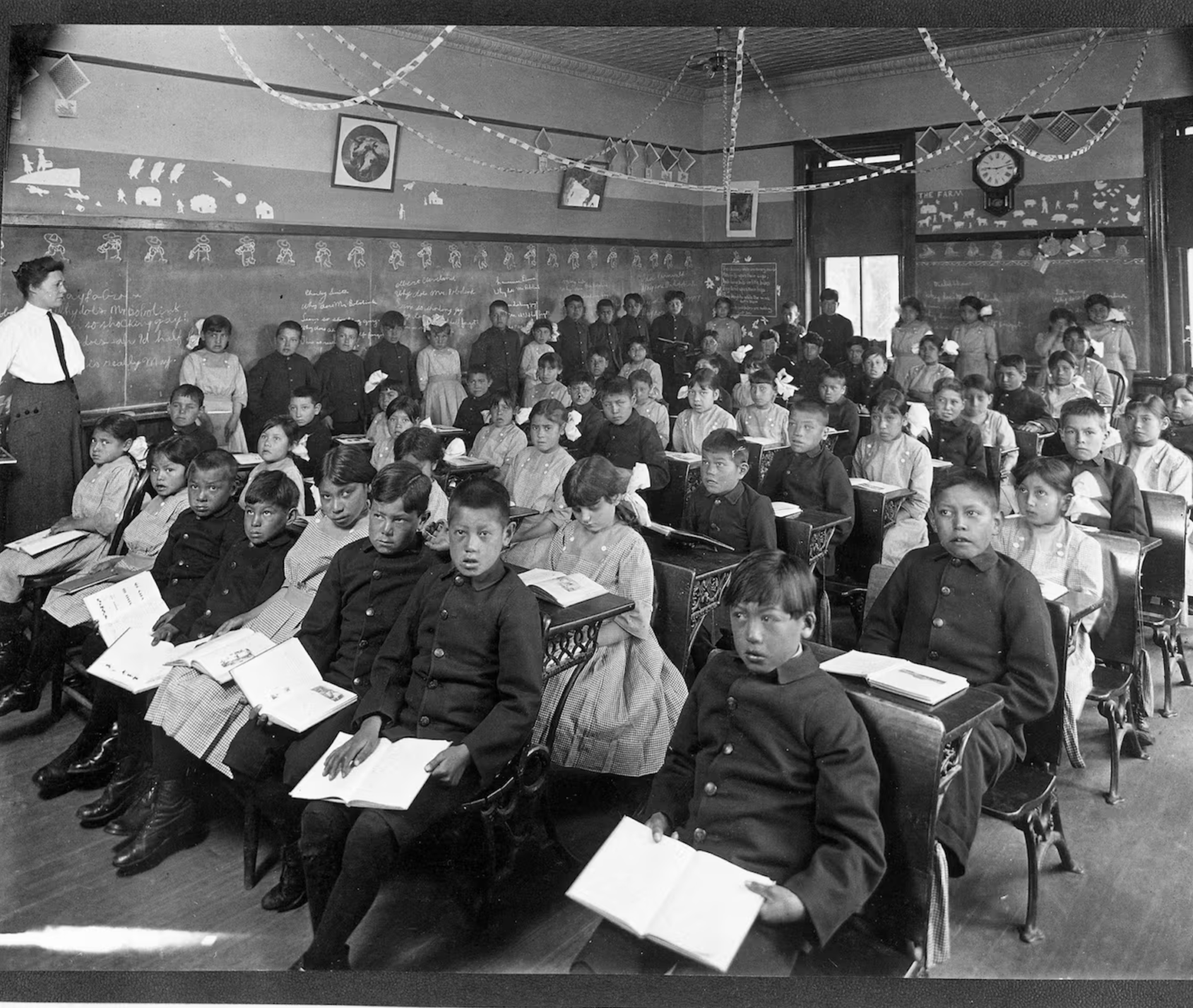
“Really, the main characters are these kids who suffered through these boarding school experiences,” our protagonist reorients.
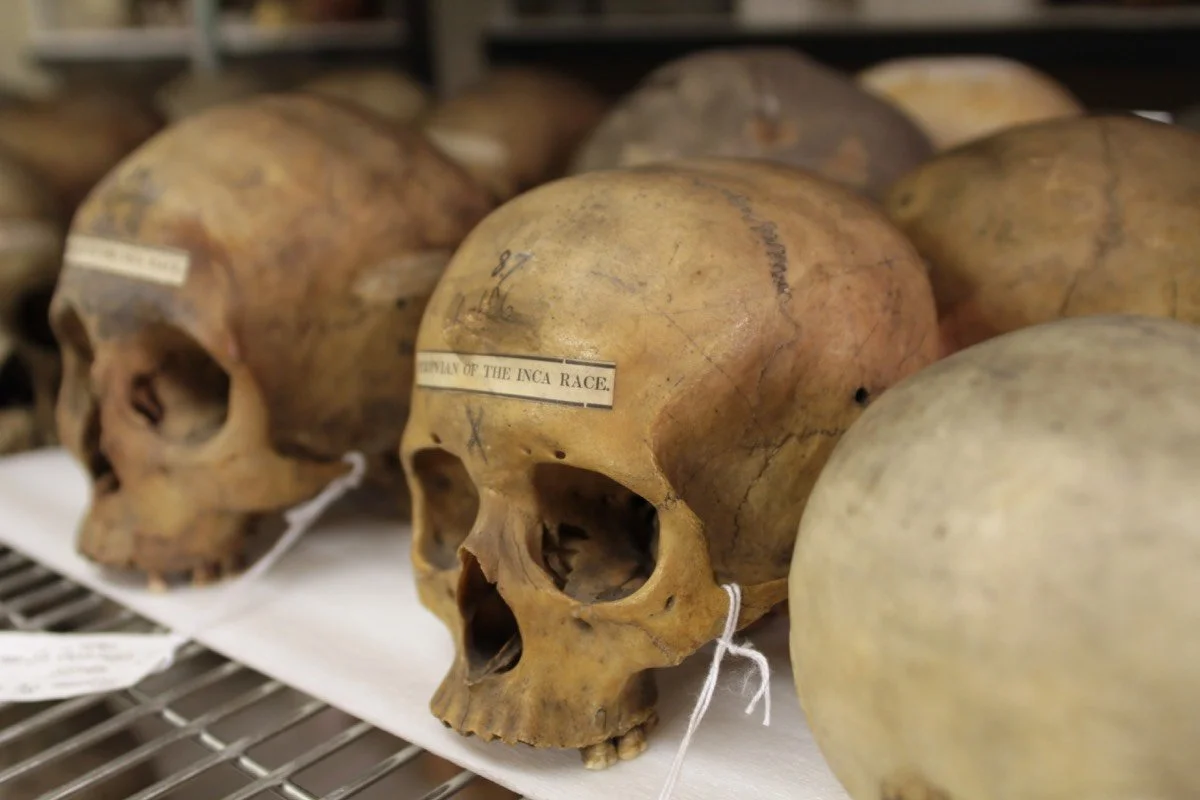
The story begins before Meredith and before Harvard, at a moment when institutions across the United States were actively collecting and classifying Indigenous peoples. The Peabody Museum, founded in 1866, became one of the central sites for this work, building vast collections through desecrating both the living and the dead American Indian through boarding schools and burial ground excavations.
“The anthropologist was George Woodbury. And he was at the Colorado Historical Society. This is the late 1920s. He's really interested in pursuing a career in anthropology. He's a curator there at this museum, all this race science stuff is going on. So he decides he wants to do a huge study with hair. And he wants to understand the differences between different races via hair. Is their texture different? Is it shaped differently? Are there different widths? He's looking.”
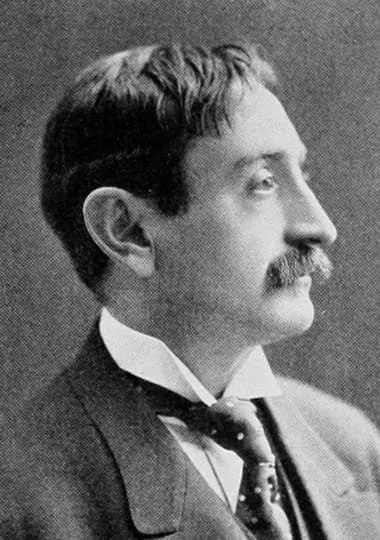
In the late 1920s and early 1930s, studies like Woodbury’s were part of a broader effort to define race through physical characteristics. Hair, like skulls and bones, was treated as measurable evidence.
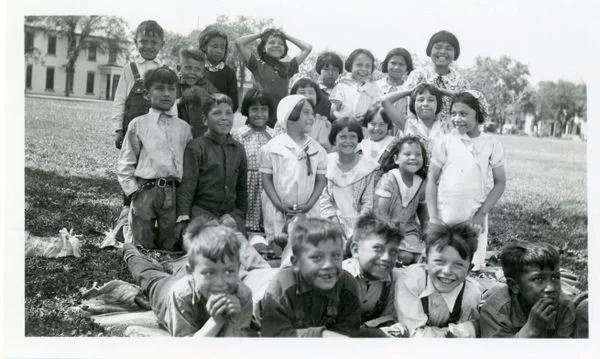
“And so he reaches out, while he's in Colorado, to all kinds of people around the world who work with Indigenous communities. He reaches out to boarding school directors, but he also reached out to hospital directors in Canada, and Mormon missionaries in Samoa, and the YWCA in China. He just reached out to all sorts of people and said, please send me a clipping at least a quarter of an inch long. I want to know the person's name, their race, how much [of that race] they are, and their age.”
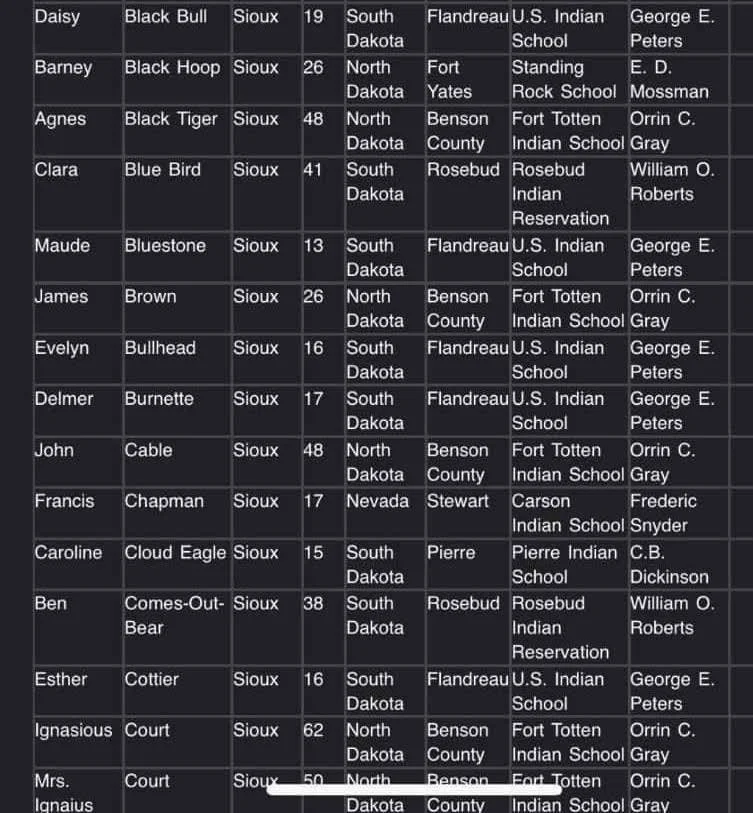
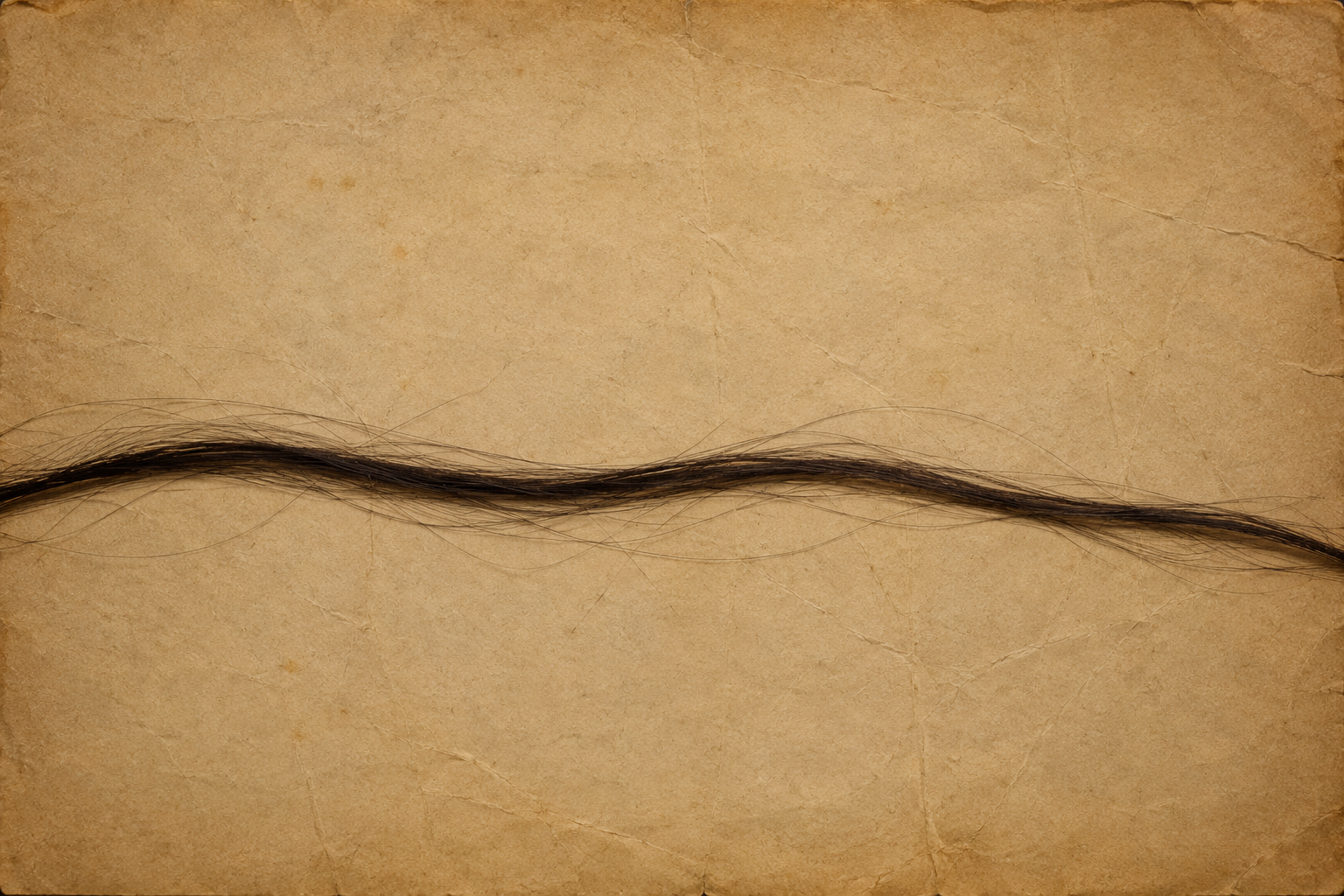
“Then he left Colorado, maybe in 1933 or 1934. He was originally from New Hampshire, and his family owned a wood mill, so he moved back to New Hampshire. But he had been reaching out to Harvard anthropologists, fanboying a little bit. I think he wanted the association. So he was writing lots of letters where he said hey, I can help with stuff. I can do this. Here's the research I've been doing.”
Harvard’s Peabody Museum, already one of the country’s leading anthropology institutions, became the next home for the collection.
“He got an adjunct kind of affiliation, and he did some work. But as soon as he got here, he had lost interest in the hair. He had moved on to ancestral remains from the Southwest by that time.”
The collection stayed, and Meredith was the one to care for it with a complicated heartache.
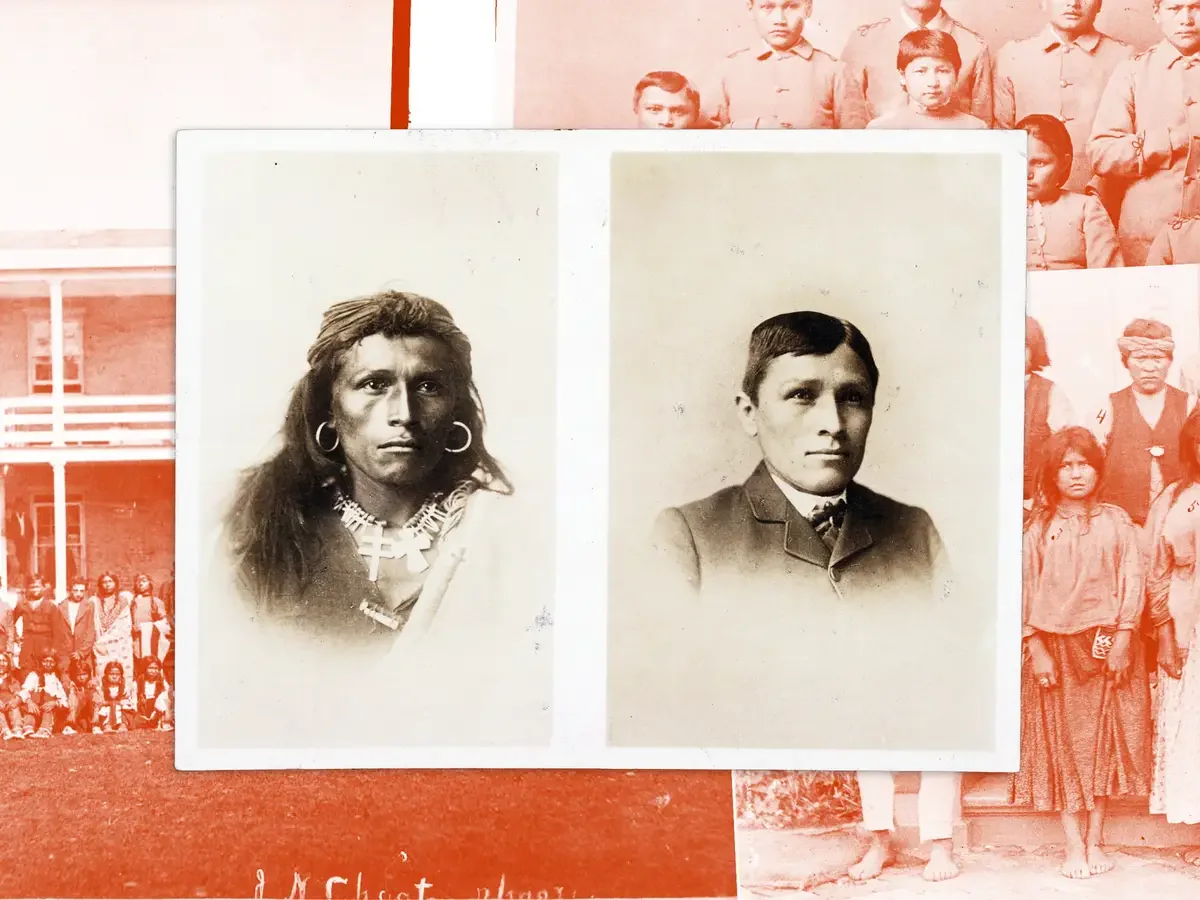
“For me, it really underscored how vulnerable the children were, that parents and children had no say over what happened to their bodies. Part of me was just like, what else did they do? We just happened to find this hair here. But what else is out there? What else was done to children that parents weren’t aware of, and that the kids weren’t informed about or anything like that?”
Years later, the work of returning what had been taken would begin.
In 1990, Congress passed the Native American Graves Protection and Repatriation Act (NAGPRA), a federal law requiring museums and institutions to inventory and return Native American human remains and certain cultural items to affiliated tribes. For museums like the Peabody, it marked a fundamental shift: from calling attention to removing for cultural sensitivity.
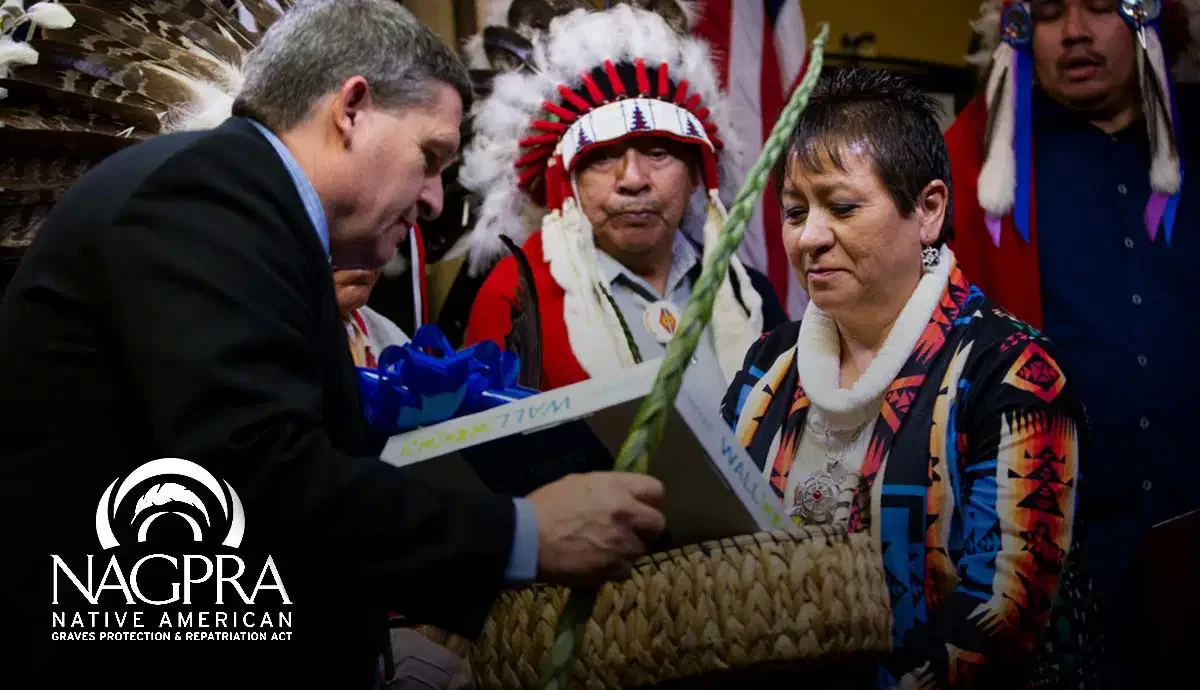
In recent years, updated federal regulations and internal pressure accelerated that work. The Peabody set its own timeline alongside national requirements, with 2029 emerging as a key deadline to complete large portions of its repatriation efforts with tribes.