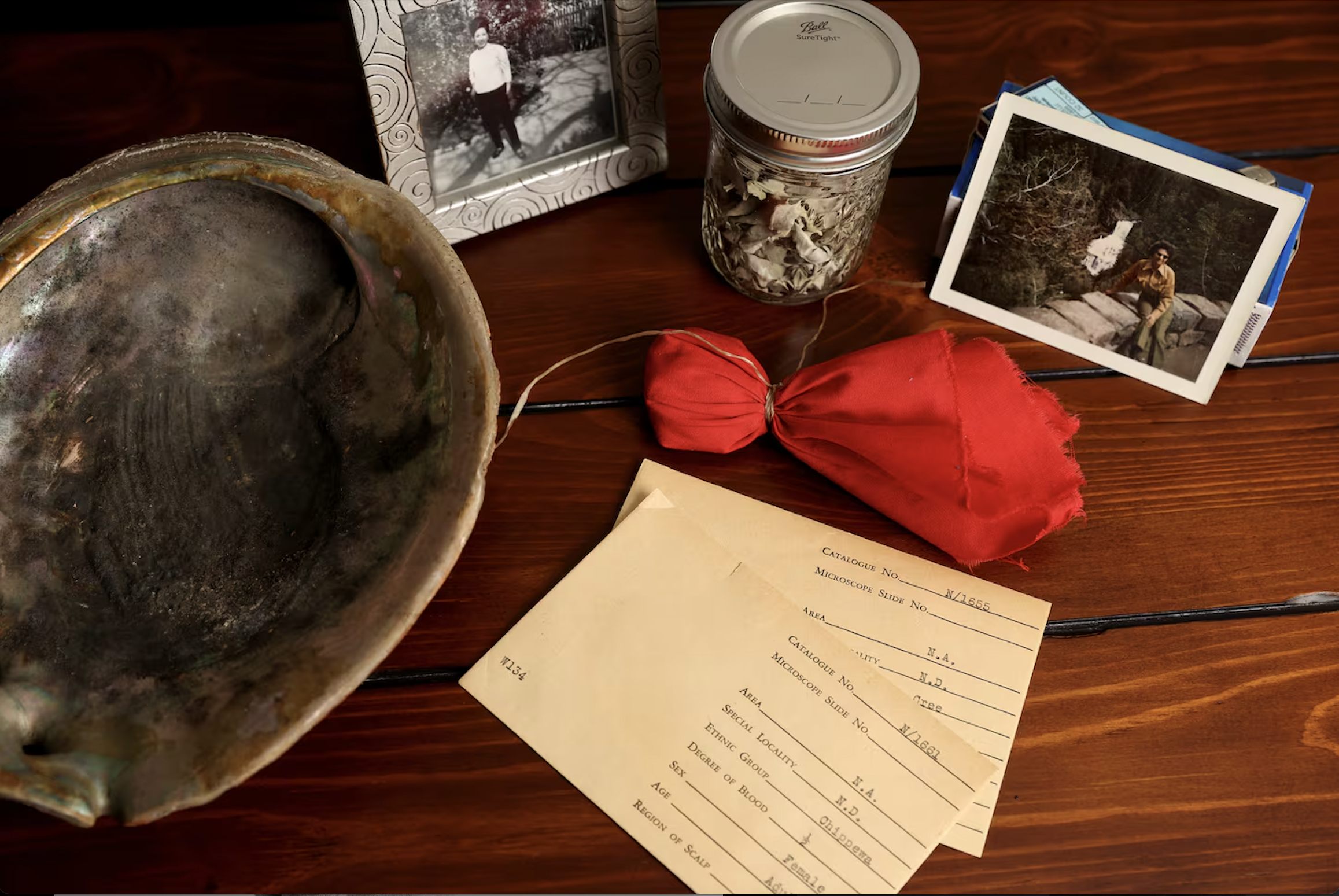
“I called my family, I called my grandmother’s living children…That side of the family is real traditional. So it was really nice to have some very clear instructions about like, this is what we’d like to happen. And for things to be traditionally returned to the earth… with my great grandma at her grave site.”
This is where the story departs from Antigone. There is no authoritarian antagonist refusing her. No decree to defy. Instead, there is an institution that, however late, has chosen to change.
The work does not end in defiance or mass death, the catharsis of it all comes from this contemporary tragedy ending in return.
“When I was done at the grave site… and I had given my grandma’s hair to her oldest son… it was this huge burden that was lifted off me. I didn’t expect that.”
“The difference with Antigone is that the king was working so hard for her not to get her brother’s remains back. I’m just so thankful to work here now, where Harvard has done such a 180, that the support was so strong. Everybody was wrapping me in love and support, and feeling the feelings with me.”
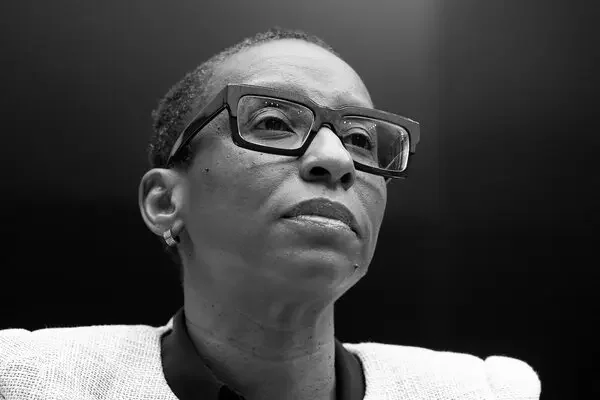
“I think the biggest change happened when our dean changed, when the dean of FAS was Claudine Gay. She was the one who said, this place needs a reckoning. We need to really examine thoughtfully our past and how we should be moving forward.”
“If change isn’t willing at the highest levels, like the dean’s office, it’s just not going to happen. And I think that’s what really made the flip.”